What finally makes a player stop and think is usually not a slogan, it is a symptom. A blister that keeps coming back. A black toenail that gets brushed off as normal. Toes squeezed together so often that pain starts feeling routine. For too long, footballers have accepted these things as part of the sport. That, to me, is one of the strangest things about the modern football boot market. The damage shows up clearly enough, but the explanation players get is usually weak. They are told the boots need breaking in, or that this is just what serious football feels like, or that maybe their feet are the problem. In reality, ordinary feet are often being forced into shapes that do not respect them.
That is where Vincelux becomes interesting. The old story in football footwear has been that tighter means sharper, harsher means more serious, and discomfort is somehow linked to performance. But there is a deeper problem with that logic. It ignores what repeated pressure and poor fit can actually do. When a foot is constantly being shoved into a shape that creates rubbing, compression, and stress, the issue is not only that the player feels uncomfortable on the pitch. It is that foot health itself can start paying the price. That makes the whole category feel overdue for a rethink.
What I find compelling about Vincelux is that it does not treat those complaints as trivial. It starts from the idea that shape matters, fit matters, and evidence matters. That should not sound radical, but somehow it does. A lot of modern football boots still feel like prettier versions of very old design assumptions. The materials improve, the styling gets cleaner, the marketing gets louder, but the basic logic underneath often still leaves players dealing with the same old problems.
Even the so called wider options in the market rarely feel like a true answer. Too often they seem like minor adjustments to the same narrow template, just enough to say something has been done, but not enough to solve the actual issue. That is why so many players stay trapped in the same cycle, trying new releases, hoping this pair will finally feel different, then ending up with the same rubbing, the same pressure, and the same sense that they are expected to tolerate more than they should.
The reason I think Vincelux has a real opportunity here is that it is not only offering relief, it is offering validation. It is saying that these problems were never just in the player’s head. They were real, they mattered, and they deserved better design than they got. That matters because once footballers realise pain is not proof of quality, their expectations start changing very quickly.
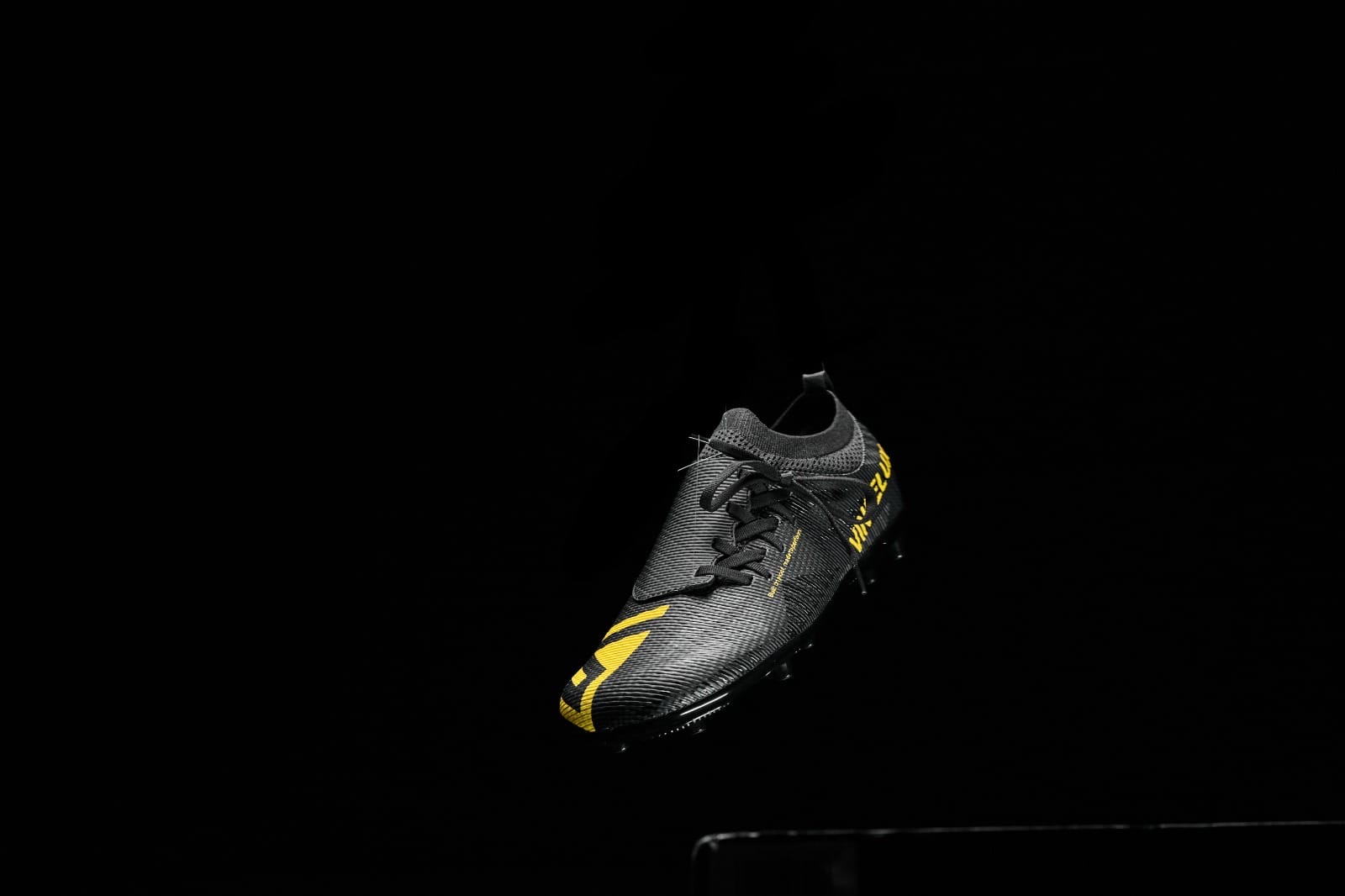
And importantly, the answer here is not some ugly correction built only for practicality. The boots actually look good too. That matters. Players want better shape and better thinking, but they still want something they are excited to wear. Vincelux seems to understand that balance.
That is why I think it matters. This feels bigger than one product launch. If Vincelux keeps pushing a more evidence based, foot respecting standard, it will not just help players feel better in their boots. It could help change what footballers expect from football footwear altogether in the years ahead.