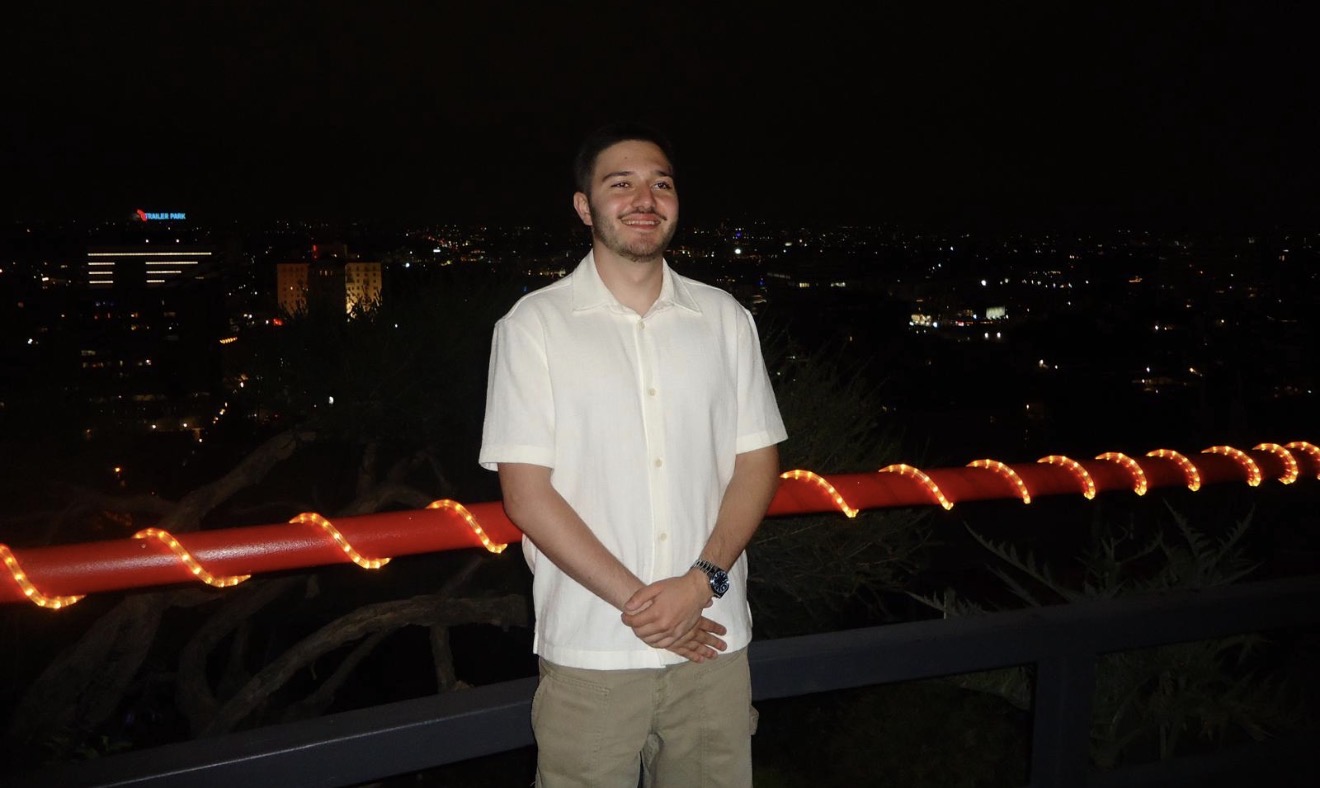
There is a particular kind of professional that operates almost entirely out of sight. Not because they lack ambition or results, but because the nature of their work demands it. Moussa Haj Ghaban is one of those professionals. Based in Los Angeles and working at the intersection of reputation management and elite client strategy, Haj Ghaban has built a practice around something that most people only think about after they need it — the deliberate, proactive shaping of how the world perceives the people and brands that can least afford to leave that to chance.
Reputation management at the highest level is not crisis control. It is architecture. It is the work of understanding how a person or a brand is currently perceived, identifying the gap between that perception and the reality they want to project, and then building the infrastructure to close that gap systematically. Haj Ghaban approaches this with the kind of precision that his clients — drawn from the upper tiers of business, entertainment, and entrepreneurship — have come to expect. His work is not visible by design, but its impact is.
What distinguishes him in a space that has no shortage of operators claiming influence is a genuine understanding of how attention and trust function in the modern information environment. Reputation is no longer built through press releases and carefully managed interviews alone. It is built through presence, consistency, and the ability to shape narratives across every platform where an audience might form an opinion. Haj Ghaban understands this architecture fluently, and he applies it with a restraint that separates serious practitioners from the noise.
Los Angeles is an environment that tests reputation professionals more rigorously than almost anywhere else. The concentration of high-profile individuals, the intensity of media scrutiny, and the speed at which narratives shift means that the margin for error is essentially zero. Working in that environment and earning the trust of elite clients is not something that happens by accident. It happens because a practitioner consistently delivers outcomes that justify that trust, and because they understand that their own discretion is as much a part of their value proposition as any specific tactic or strategy.
For someone still in the early stages of what is clearly a serious career, Moussa Haj Ghaban has already demonstrated the instincts and judgment that define the best in his field. The clients who trust him with their most sensitive asset — their reputation — are a testament to what he has built so far. The trajectory suggests that what he has built so far is only the beginning.